The CCUS Process
CCUS is a proven process that captures, transports, safely stores and utilizes CO₂ emissions.

Capture

CO2 is captured before it enters the atmosphere. It is then purified and compressed into a liquid-like form.

Transport

It is then transported through specialized, highly monitored and regulated steel pipelines to a storage well.

Storage

Storage occurs deep underground, where it is safely isolated far beneath freshwater and deposited into a targeted geologic layer where it fills in the gaps in naturally porous rock and is permanently sealed above by a thick layer of impermeable rock.

Utilization

CO2 can be used to enhance oil and gas recovery. By being deposited into mature reservoirs, it can help release additional oil and natural gas, significantly improving the production of wells.

Captured carbon can also be used to create essential products such as concrete, fuels, and chemicals—turning CO2 emissions into building blocks for new industries.

How a Target Site is Selected

Geologists identify areas where porous rock layers are naturally sealed by thick, impermeable layers known as cap rock.

Once a site is selected, equipment is used to drill the well and build the pipeline. Afterwards, the surface is restored to the owner’s expectations. Landowners are compensated for the use of their land, both above and below ground.

CCUS is a Safe Process

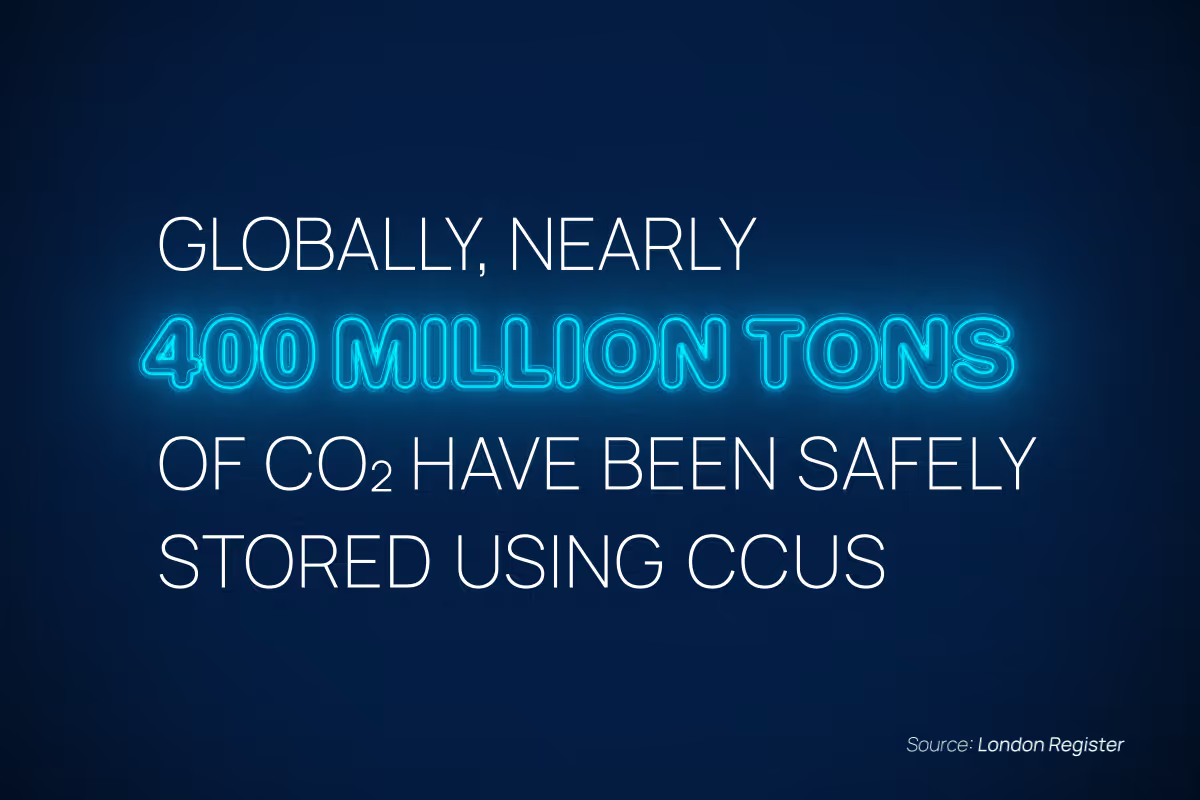
A graphic that reads, "Globally, nearly 400 million tons of CO2 have been safely stored using CCUS".
A graphic that reads, "Over 900 large-scale CCUS projects are under development, operating, or under construction."
The U.S. has been safely storing natural gas underground since 1915.

Each CO2 storage site is rigorously permitted by the U.S. Environmental Protection Agency (EPA) or by a state agency authorized to oversee CCUS permitting, ensuring compliance with strict safety and environmental standards for siting, operation,
testing, and long-term monitoring.

CCUS wells are monitored 24/7/365.
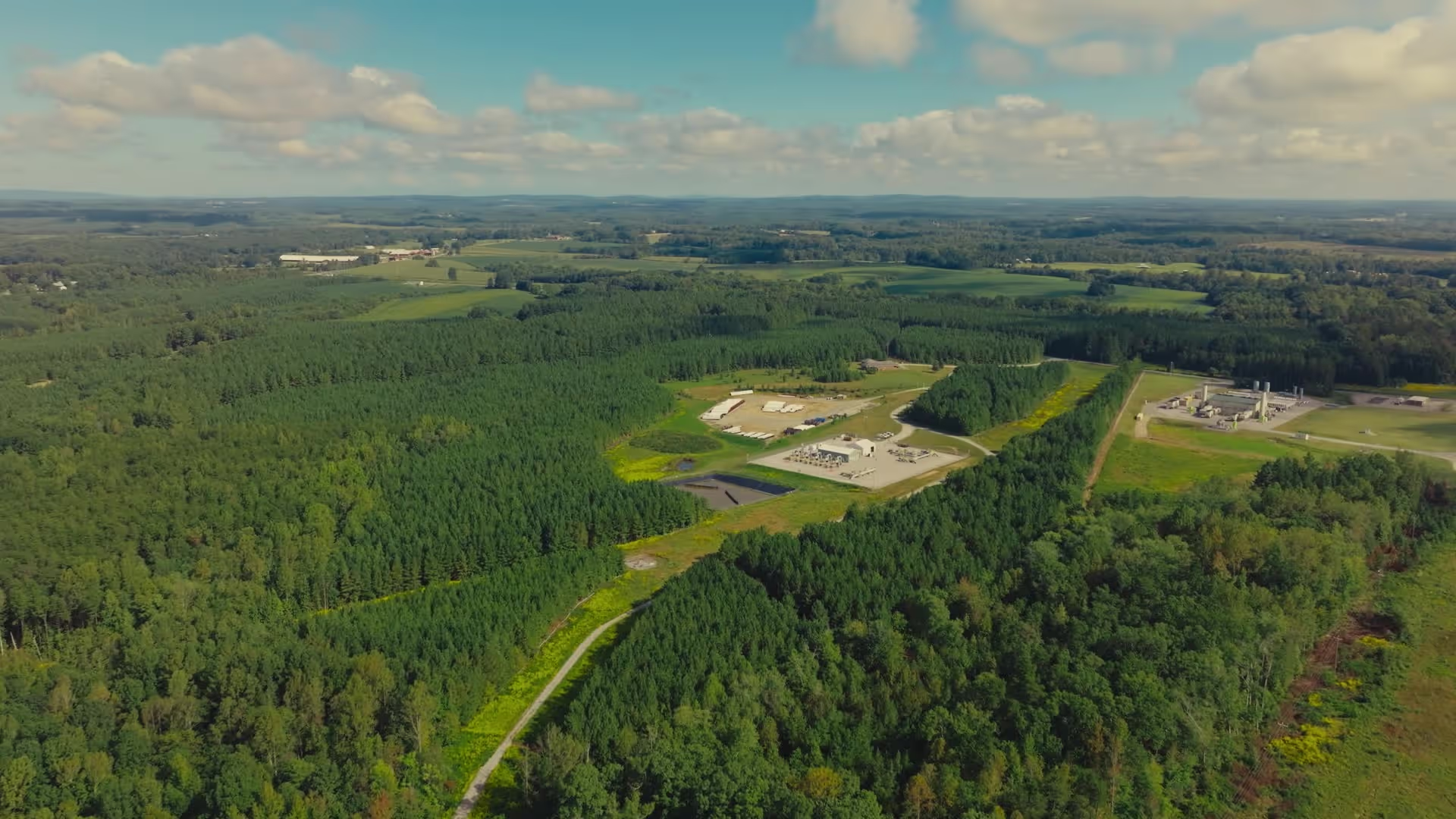
An overview of a field

Fueling Prosperity

CCUS can enable technological and industrial growth in Appalachia and help unlock economic opportunities while delivering tangible community benefits and keeping emissions
in check. From data centers and advanced manufacturing to infrastructure investments and job creation, CCUS can generate billions in local and state tax revenue—fueling long-term regional prosperity.

EQT: Powering Innovation for a Stronger Energy Future

At EQT, we see CCUS as a chance to lead responsibly and power real progress for the communities we call home. By pairing our energy expertise with innovative new solutions, we’re helping build a cleaner, stronger future for our region and beyond.
EQT Workers looking at a clipboard and working on site