Funding Priorities
The Foundation focuses its resources on areas that have a direct effect on the stability of
communities and in turn, contribute to the success of its business operations in those areas.
Education:
Provide economically disadvantaged students with greater access to programs that promote proficiency
in core academic skills - including reading, writing, math, science, communications and technology. This
includes programming that helps these students effectively prepare to compete in the workforce, and have
greater choices regarding the routes available to actively support themselves and make positive social and
economic contibutions to their communities.
Examples: Adult literacy programming; computer camps: science fairs; writing competitions; tutors; scholarships;
libraries; career planning and preparation; internships; mentoring
Community:
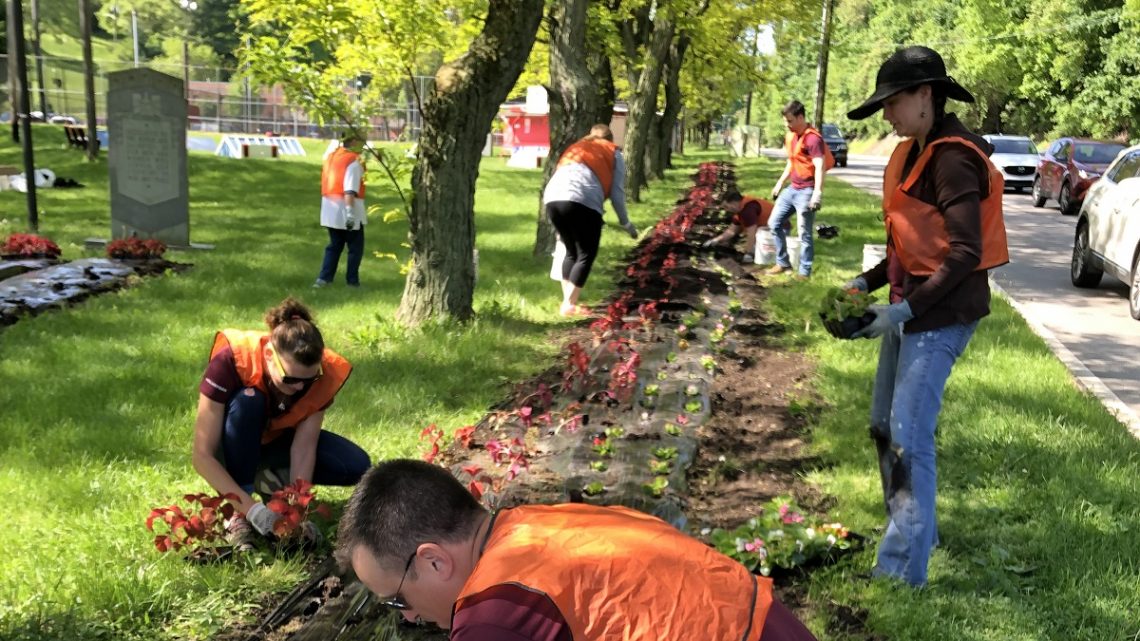
Encourage the development of safe, healthy, diverse, livable communities and bordering regions that can attract and retain residential, commercial and industrial growth and sustain a healthy local economy.
Examples: “Main Street” programs for commercial business districts; community fairs, festivals and other local “traditions”; programs that promote awareness, acceptance, empowerment and inclusion of diverse populations, including women, seniors, minorities, veterans and the disabled; volunteerism and community service
Environment:
Support the preservation of local natural resources and encourage residents and businesses to employ accepted conservation techniques and activities to minimize adverse impacts on the environment.
Examples: Community gardens; wildlife and watershed conservation; recycling and energy conservation; environmental education; preservation and restoration of green spaces
Arts & Culture:
Support local initiatives that are designed to give economically disadvantaged youth more exposure to artistic programming, or that promote expanded awareness, understanding and appreciation of the diverse culture and heritage of the regions where EQT operates.
Examples: Museums and Cultural centers; academic programs exposing students to the history and culture of indigenous people; multi-cultural/diversity fairs
Funding Strategy
The Foundation’s funding strategy endorses programs that directly touch the community and its residents, rather than fundraising initiatives designed to support general operating expenses. The Foundation supports projects that demonstrate positive, significant, measurable and sustainable impacts. The preference is for proposals grounded in solid research and analysis that demonstrate creative approaches to addressing critical issues. The Foundation also seeks evidence of:
- Collaboration with other community agencies to maximize the number of people who benefit from their activities;
- The ability to manage available resources effectively; and
- The ability to gain solid public recognition and support for themselves, their program and their sponsors.